

INCIDENT OVERVIEW
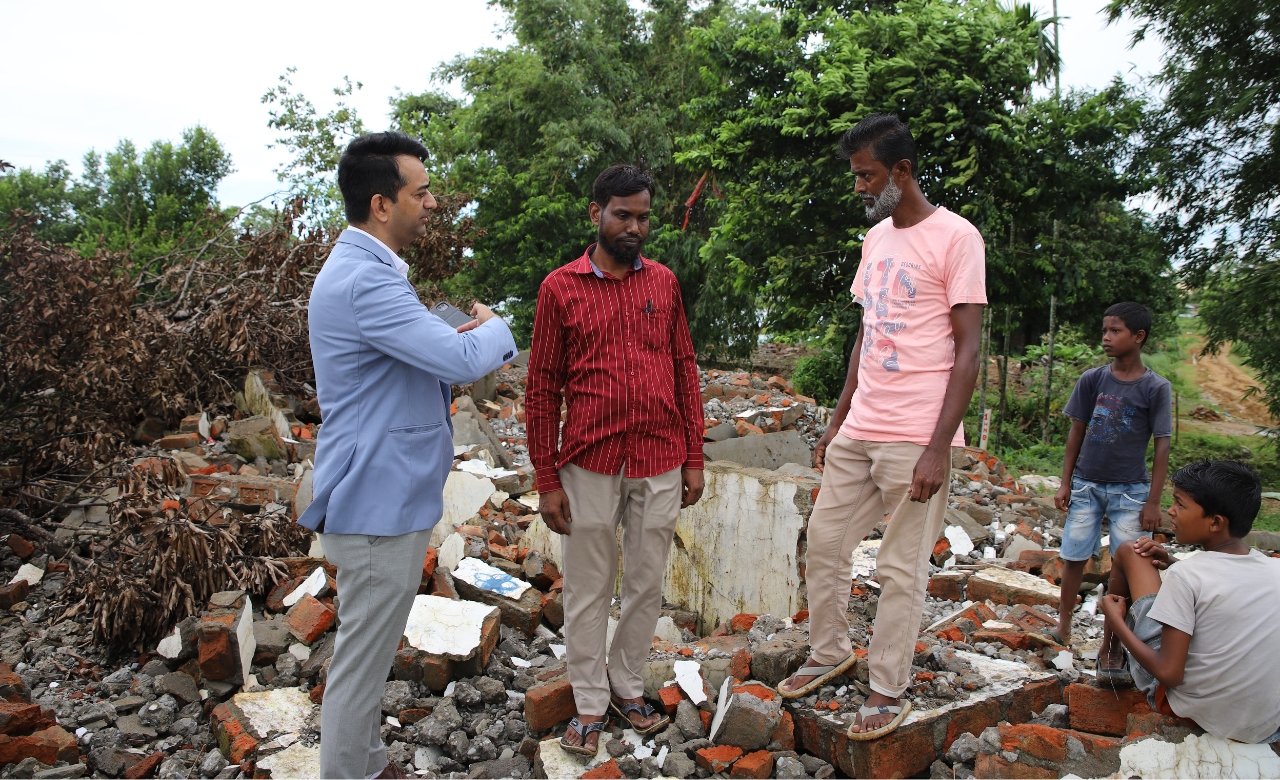
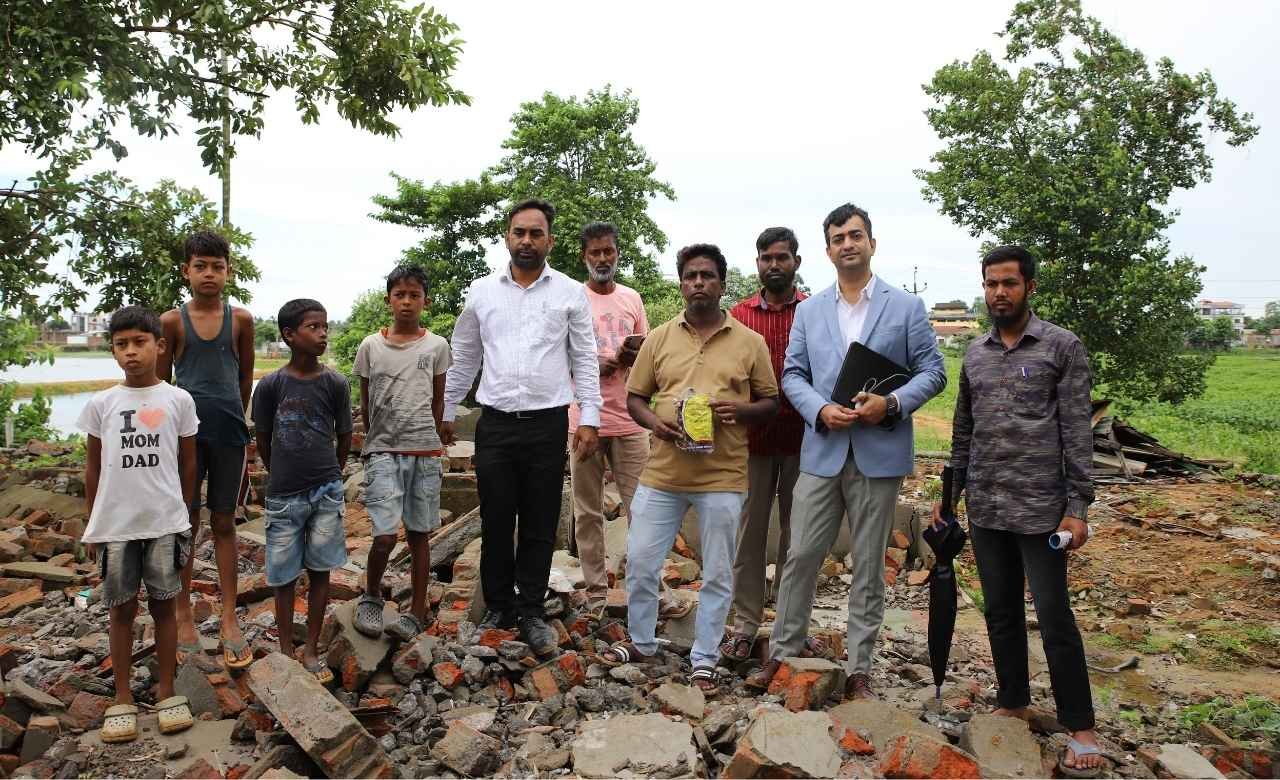
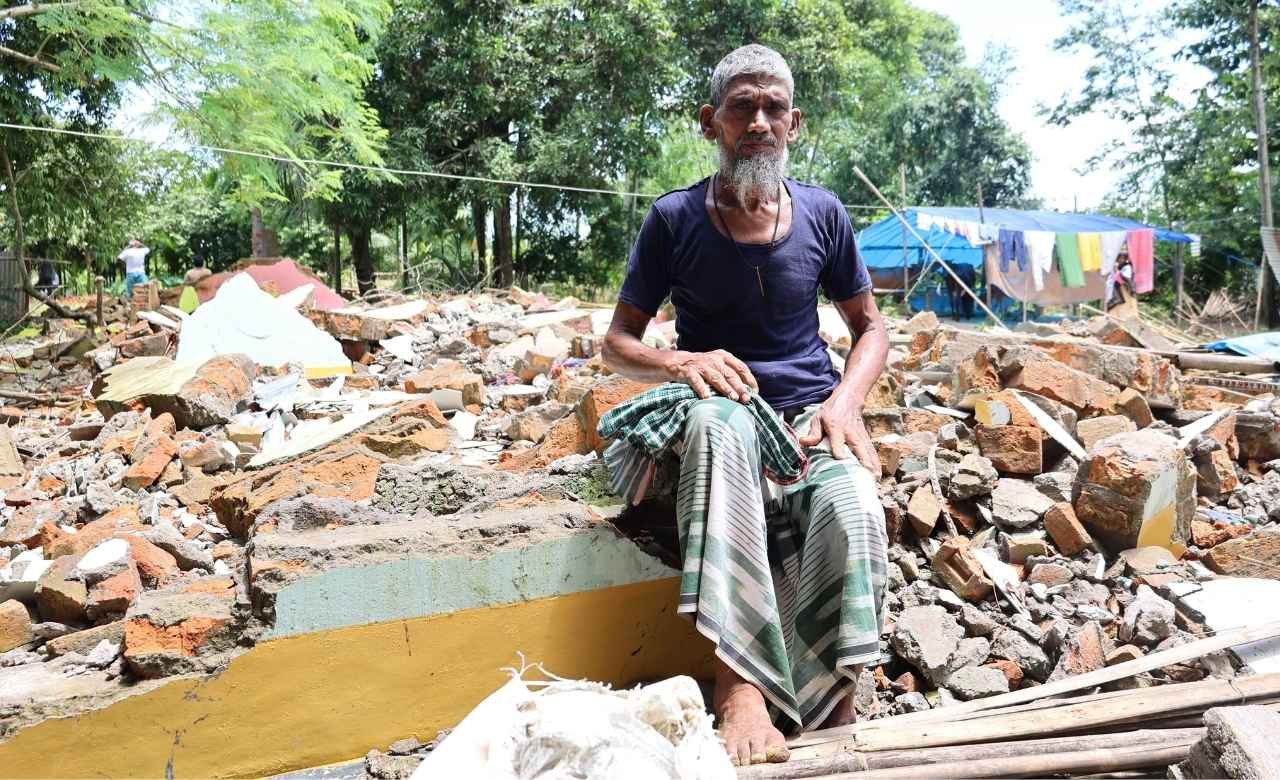
Over the summer of 2025 Assam saw an aggressive, widely reported wave of eviction operations that cleared tens of thousands of bighas of land, demolished thousands of homes and shops, and left scores of families, many from erosion-prone and Muslim minority communities, suddenly homeless or displaced.The eviction operation, aimed at clearing alleged encroachments on Paikan Reserve Forest land, reportedly went ahead in violation of an interim order issued by the Gauhati High Court on July 11, 2025. The massive demolition drive left hundreds of families displaced, their homes reduced to rubble within hours and their lives thrown into uncertainty. Victims recounted the sudden arrival of dozens of JCBs, the absence of prior notice, and the loss of not just their houses, but cherished belongings, documents, and the basic means to live with dignity. Amid scorching heat and makeshift shelters, residents—men, women, and children —struggled to survive while asserting their identity and questioning the legality and fairness of the government’s actions. The victims of the demolition claimed that “around 70-80 JCBs came crashing into their houses without them giving proper time to vacate.” During the Paikan village eviction on July 12, 2025, tragedy struck when 60-year-old Anaruddin suffered a fatal heart attack as officials bulldozed his home. In a separate incident, another resident, overwhelmed by the eviction, allegedly attempted suicide but was saved by a family member and taken to hospital.
EVICTIONS IN GOALPARA
On July 12, 2025, the Goalpara district administration carried out a large-scale eviction in Bidyapara and Betbari under Paikan village, Krishnai Forest Range, displacing nearly 1,100 Muslim families who had lived in the area for generations. The drive, aimed at removing alleged encroachments on Paikan Reserve Forest land, went ahead despite an interim order from the Gauhati High Court a day earlier, which had instructed the authorities to ensure temporary shelter, food, and accommodation until proper rehabilitation was arranged. As a result, between 5,500 and 6,600 people were left homeless, based on average family size estimates. Those affected belong entirely to the ‘Deshi’ Muslim community, recognized as an indigenous group in Assam. Officials stated that around 1,038 bighas of land were cleared to make way for a bamboo plantation.
Evictions in Dhubri
On July 8, 2025, the Assam government carried out one of its largest single-day eviction operations, removing an estimated 2,000–3,000 Bengali-origin Muslim families from the villages of Sontoshpur, Chirakuti, and Charua Bakhra under the Chapar revenue circle of Dhubri district. Nearly 4,000 bighas of land were cleared in the drive, which officials said was meant to make way for a solar power project by the Adani Group. The move rendered about 20,000 people homeless—families who had been living there for four to five decades, many of them originally displaced by Brahmaputra floods and erosion.
Evictions in Lakhimpur
On July 3, 2025, authorities in Lakhimpur district carried out an eviction drive to clear alleged encroachments on Village Grazing Reserve (VGR) land across four sites—Debera Doloni, Siringsuk, Dhakuakhonia, and Raang Chali. The operation reclaimed roughly 235 bighas (around 78 acres) of land and displaced about 220 families. Among those affected were 21 indigenous households, while the majority were Muslim families, both Bengali- and Assamese-speaking.
Evictions in Nalbari
On June 30, 2025, the Nalbari district administration removed 93 Bengali-origin Muslim families from Bakrikuchi village under the Barkhetry Revenue Circle, leaving them homeless. Officials alleged the families were encroaching on government land. Deputy Commissioner Nibedan Das Patowary said the drive was conducted to clear around 453 bighas of village grazing reserve (VGR) land in the area.
Intervention by Miles2Smile
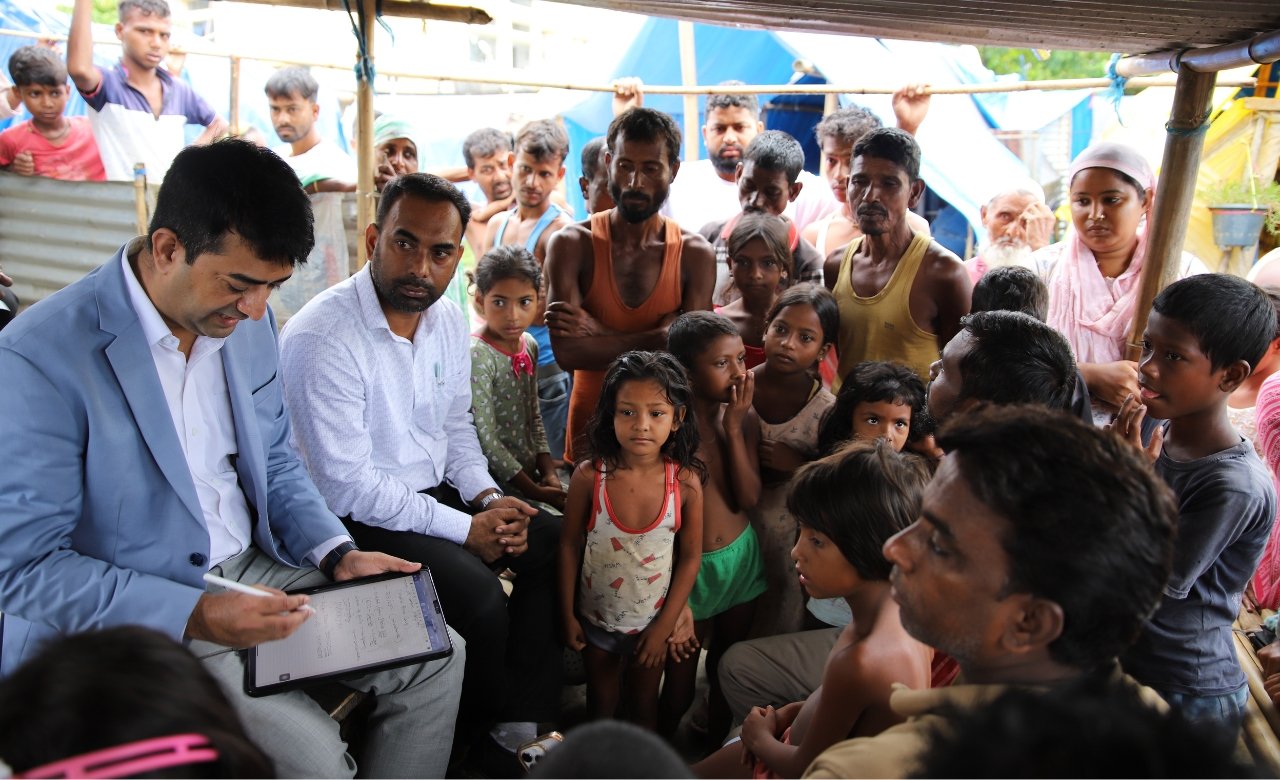
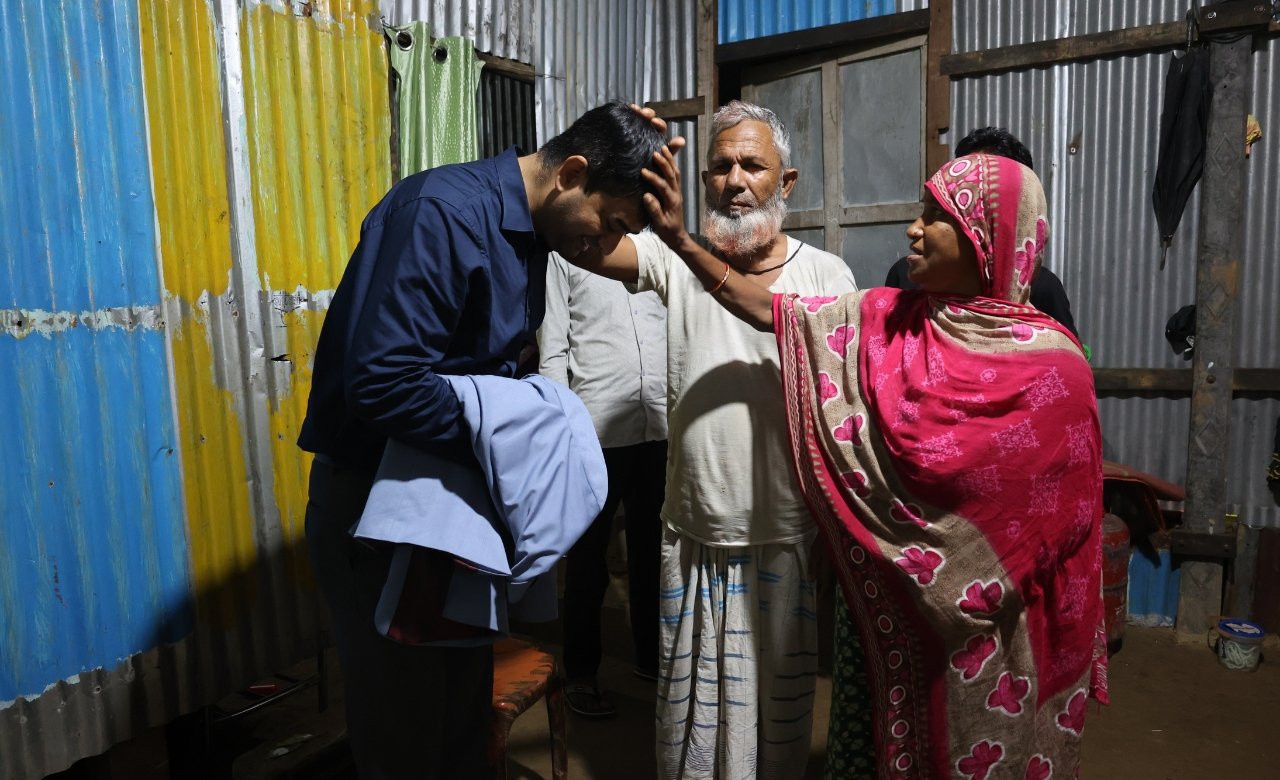
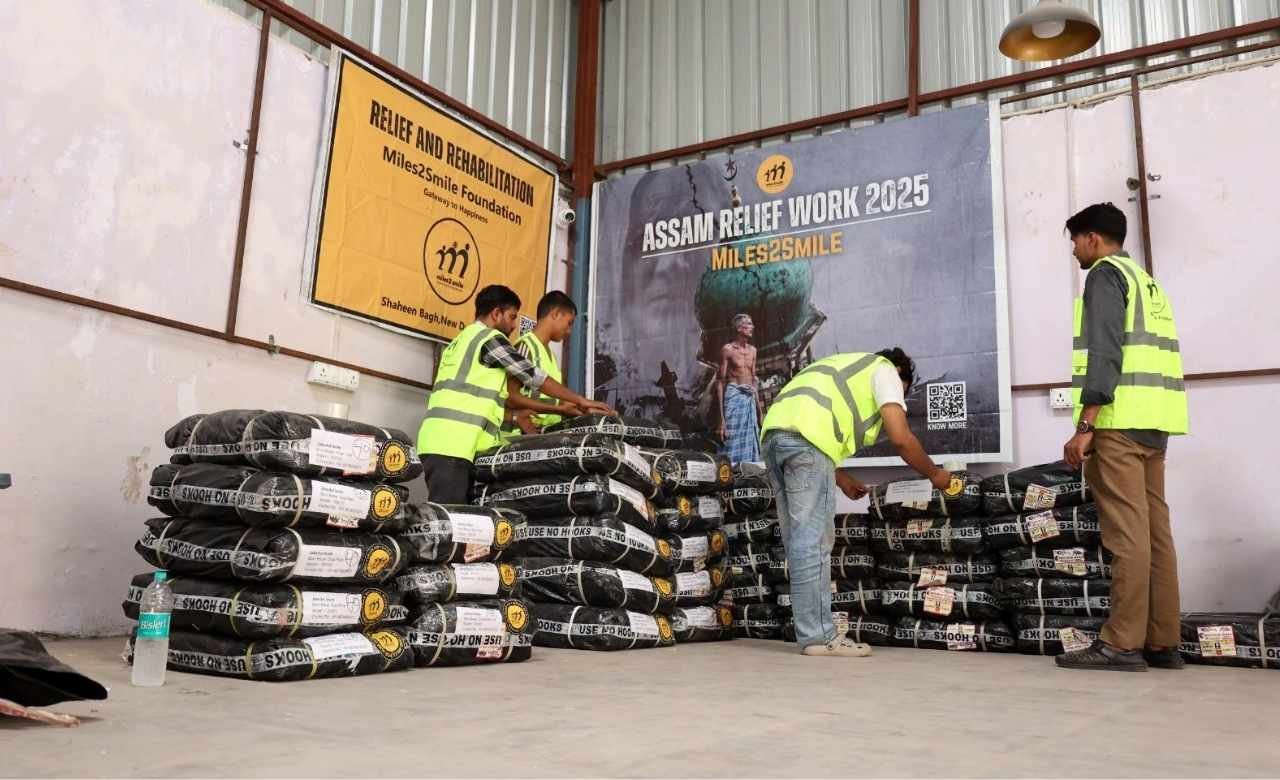
While the world remained preoccupied with debates over who was right and who was wrong, Miles2Smile journeyed through the cities and reached Assam to hear the anguished voices of those left behind by the evictions. At Miles2Smile, we hold the trust of our supporters with the highest regard. Whenever a tragedy unfolds, our first step is to carefully examine the situation, hear the cries of the survivors, and extend our support. The relief work in Assam was one such instance. What we witnessed and documented was nothing short of unprovoked hatred, ruthless demolitions, and irreparable acts of injustice. Through this press release, we seek to highlight the profound toll these demolitions have taken on the lives of the survivors. Miles2Smile spent a week in the camp of the survivors, witnessed their fret, and listened to their cries.With the assistance of our donors, we were able to:
Construct Toilets & Bathhroom
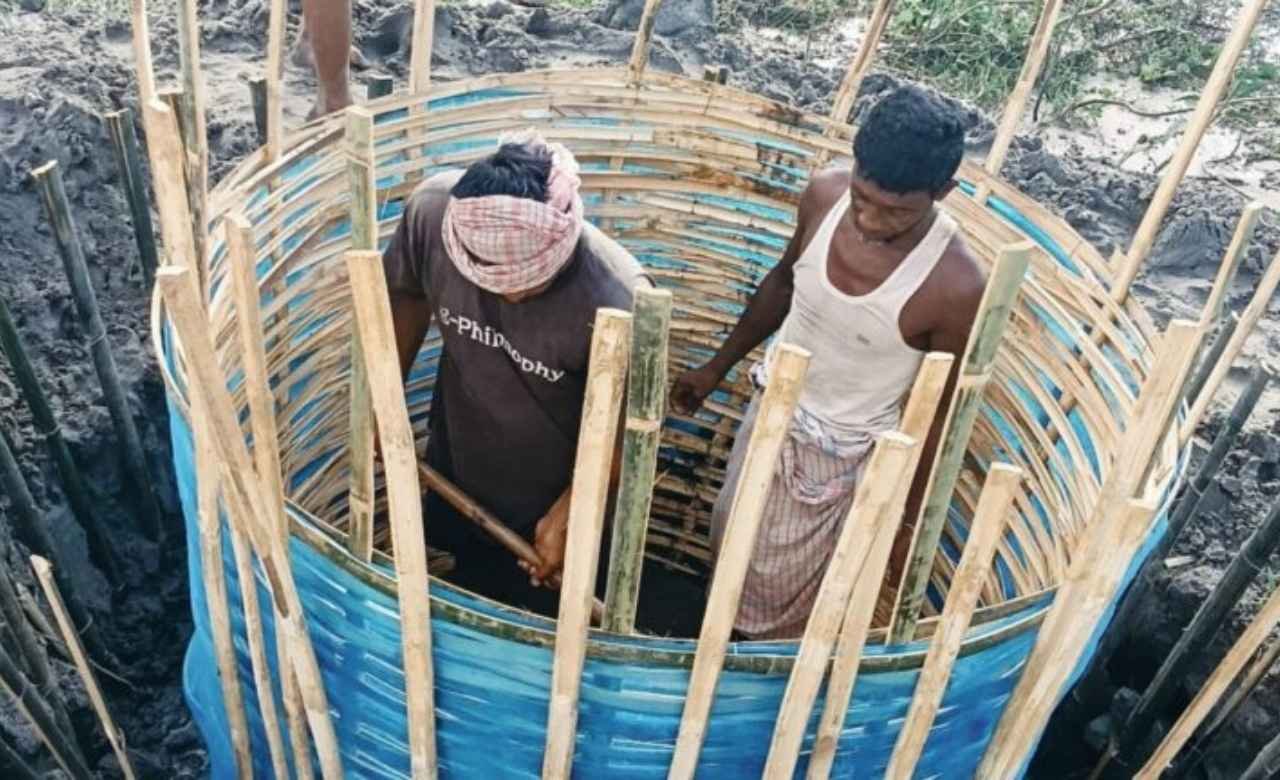
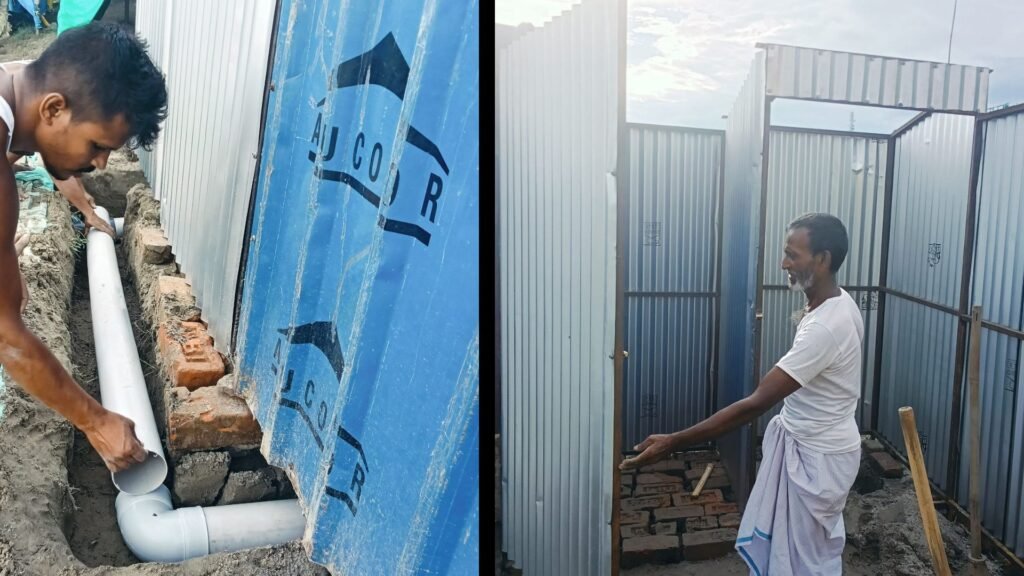
After the evictions, families were forced to live in open fields and temporary camps with no access to toilets. Women, children, and elderly people faced serious health risks and loss of privacy. Miles2Smile identified sanitation as an immediate need. With the support of donors, 16 washrooms were constructed near the survivor camps. These washrooms provided basic dignity, especially for women and girls, who earlier had to wait till dark to relieve themselves. The lack of toilets had already led to infections and discomfort. The construction of washrooms reduced health risks and restored a small but crucial sense of safety and dignity for displaced families.
Provide Tarpaulin Sheets
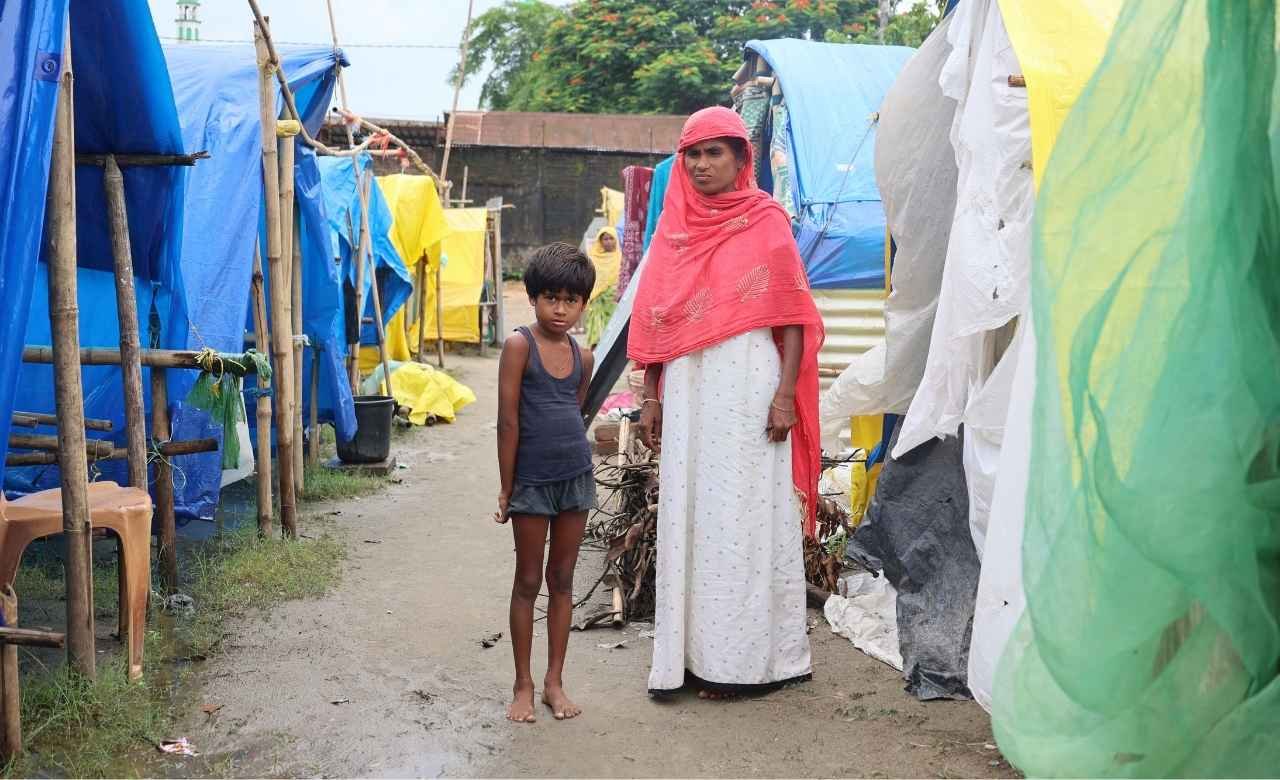
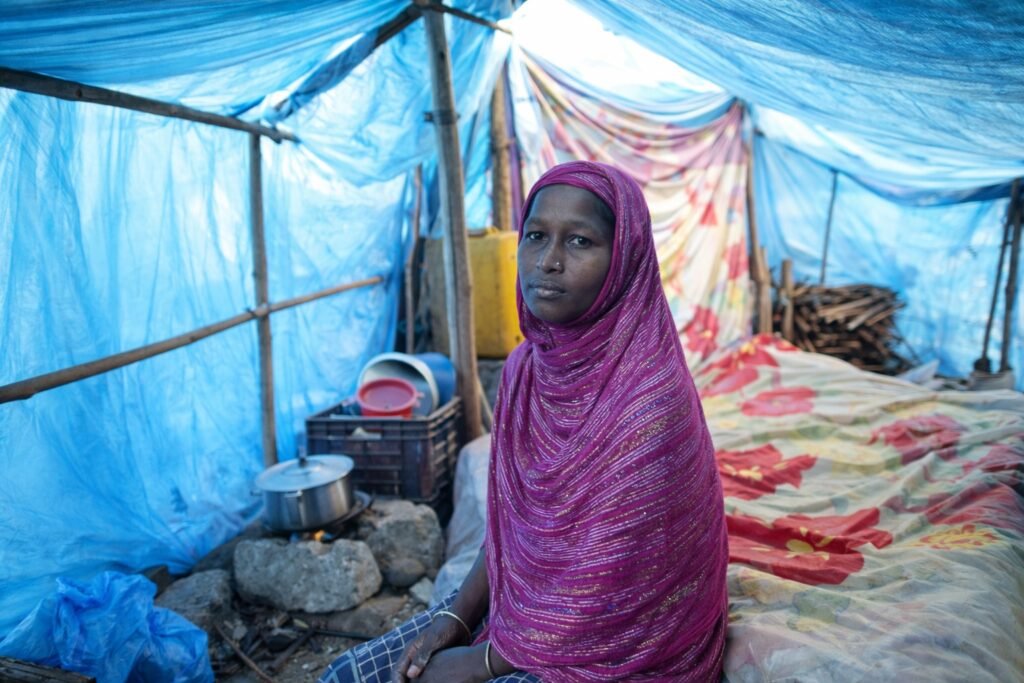
When homes were demolished, families were left without any shelter under the open sky. Many used broken tin sheets or plastic scraps to protect themselves from heat and rain. Miles2Smile distributed 500 tarpaulin sheets to help families build temporary shelters. These sheets became roofs, walls, and ground covers for people trying to survive in extreme conditions. Though basic, they provided protection from sun, rain, and wind.
Conduct Menstrual Health Camp
The evictions placed women and adolescent girls under severe physical and emotional strain, with no access to safe menstrual hygiene facilities or supplies. Miles2Smile organised a menstrual health camp inside the survivor settlement to address this urgent need. Sanitary pads were distributed, and women were given space to speak openly about health concerns related to menstruation. Many shared that they had been forced to manage their periods without proper materials after losing their homes. The camp helped reduce discomfort, health risks, and shame associated with menstruation in crisis conditions.
Provide Clean Water Supply
Access to clean drinking water became a major challenge after the demolitions. Families were forced to rely on unsafe water sources, increasing the risk of water-borne diseases. Miles2Smile arranged a clean water supply for the displaced families living in camps. Safe drinking water was provided for daily consumption, cooking, and basic hygiene.